
Securing a role in the UK private security industry offers a reliable and highly rewarding career path. Every year, thousands of individuals choose to step into this sector to protect 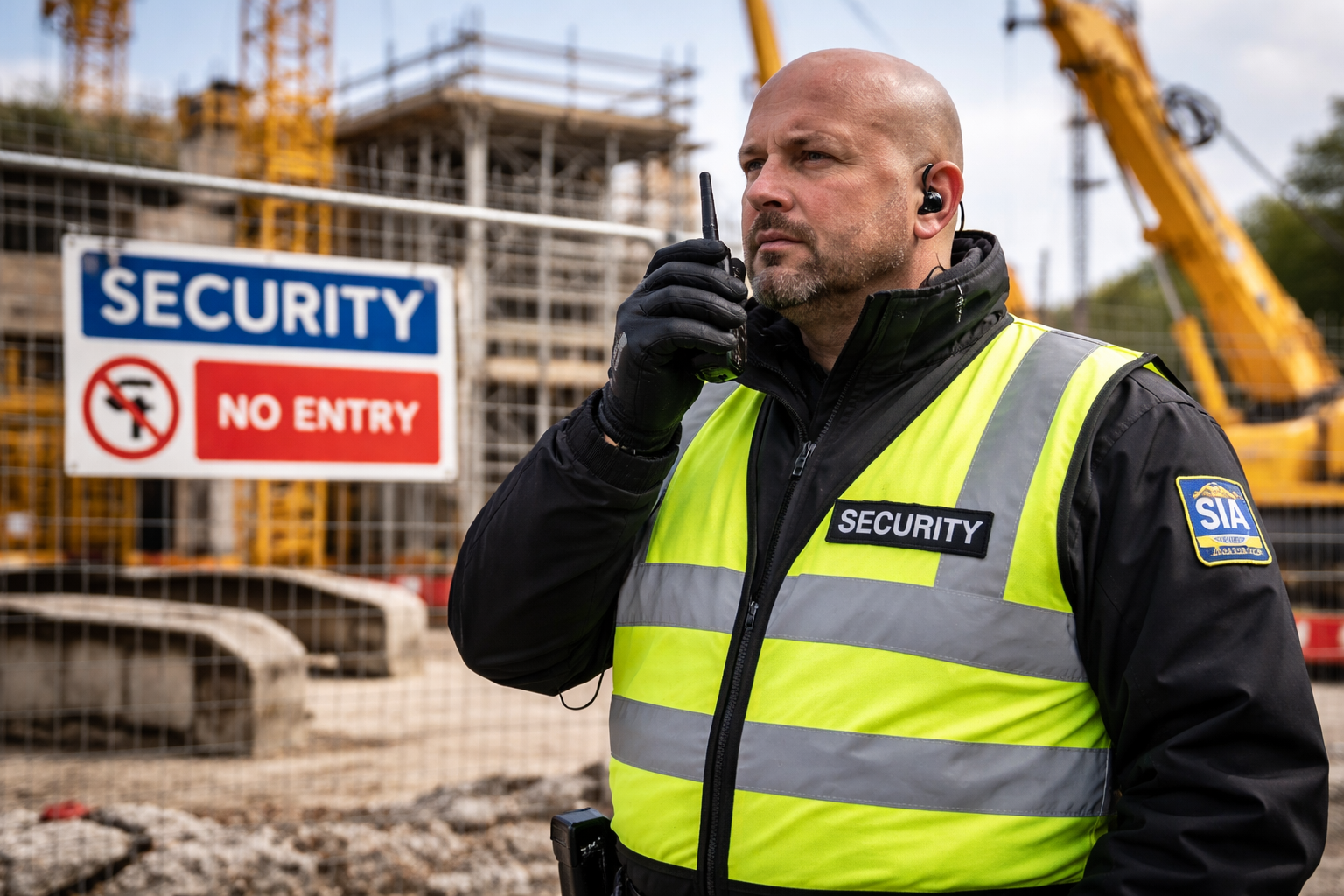 people, property, and assets across the country. To do this legally, you must first obtain an official qualification from the Security Industry Authority.
Earning your SIA security guard licence is the foundational step for entering the industry. It serves as proof that you have the right training, background, and skills to handle the responsibilities of the job safely. Without this essential credential, you cannot legally work as a security operative in the UK.
Navigating the rules, training modules, and application steps might seem complicated at first glance. You need to arrange first aid training, pass background checks, and choose the right course for your career goals.
This comprehensive guide breaks down the entire process for you. We cover everything from the initial eligibility criteria to the exact modules you will study, and finally, how to submit your application. Read on to learn exactly how you can launch a successful career and secure your future in the security sector.
Understanding the Role of a Security Guard
Before committing to the training, it helps to know exactly what the job entails. A typical security guard job description involves much more than simply standing by a door. Modern security personnel are active, observant professionals who play a crucial role in preventing crime and maintaining public safety.
Your core responsibilities will usually include patrolling premises to prevent unauthorised access, monitoring electronic surveillance equipment, and keeping detailed records of any incidents. You will act as a visible deterrent to theft, vandalism, and disorder. Furthermore, you must know how to respond efficiently to emergencies like fires or medical incidents.
Security guards work in a highly diverse range of environments. You might find yourself working in:
- Retail environments: Guarding shops and shopping centres, acting as a store detective, and preventing shoplifting.
- Corporate office buildings: Managing front desk access, signing visitors in and out, and ensuring that only authorised personnel enter specific floors.
- Construction sites: Protecting valuable building materials and heavy machinery from theft during the night or over the weekend.
- Industrial warehouses: Monitoring loading bays and conducting perimeter patrols to secure highly valuable inventory.
SIA Security Guard Licence Requirements
The Security Industry Authority maintains strict standards to ensure only suitable candidates work in the private security sector. To apply for your badge, you must meet several non-negotiable security guard licence requirements.
First, you must be at least 18 years of age. You can begin your training slightly earlier, but you can only submit your official SIA application once you turn 18. You also need the legal right to live and work in the United Kingdom.
Background checks form a major part of the application process. The SIA will conduct an extensive criminal record check (DBS check) to review your history. Having a criminal record does not automatically disqualify you. The SIA evaluates offences based on their severity, how recent they are, and their relevance to public safety.
Additionally, you cannot simply walk into a security course empty-handed. The SIA mandates that all applicants hold a valid first aid qualification before they begin their security training. At a minimum, you must possess an Emergency First Aid at Work (EFAW) certificate. This ensures that every licensed guard has the basic medical knowledge to assist the public during a crisis.
The 4-Day Training Process Explained
To get your licence, you must pass the official Security Guard Training Course. This mandatory course takes four days to complete and provides you with the practical skills and theoretical knowledge required for the job. Approved training providers deliver the course, and it is divided into three core modules.
Principles of Working in the Private Security Industry
This introductory unit covers the broader landscape of the UK security sector. You will learn about the main characteristics of the industry and the specific legal legislation that applies to security operatives. Tutors will guide you through the correct procedures for making an arrest, the importance of safe working practices, and how to handle workplace fire procedures. You will also study how to recognise terror threats, keep vulnerable people safe, and manage post-incident reporting.
Principles of Working as a Security Officer
The second unit focuses entirely on your day-to-day duties. You will explore the specific roles and responsibilities expected of you on site. The curriculum covers controlling access and egress, understanding different types of electronic and physical protection systems, and conducting effective search procedures. You will also learn how to patrol designated areas safely and understand the legislation surrounding drug misuse.
Application of Conflict Management
Security personnel occasionally face aggressive or uncooperative individuals. This critical module teaches you the principles of conflict management. You will learn how to quickly assess and reduce risks in tense situations. The training heavily emphasises communication skills, teaching you how to de-escalate conflicts verbally and solve problems before they turn physical.
At the end of the four days, you will sit three multiple-choice exams corresponding to each unit. You must also pass a practical assessment to demonstrate your new skills.
Security Guard Licence vs Door Supervisor Licence
Many new entrants to the industry find themselves confused by the different types of credentials available. The most common dilemma is choosing the security guard licence vs door supervisor licence. Understanding the distinction is vital for your career flexibility.
A Security Guard Licence restricts you to working in non-licensed premises. This means you can work in retail stores, corporate offices, hospitals, and construction sites. However, you cannot legally work in venues where alcohol is sold for consumption on the premises, such as pubs, nightclubs, or certain festivals.
A Door Supervisor Licence is much more versatile. It allows you to work in all the same static guarding roles as a regular security guard, but it also permits you to work at licensed venues.
The training for a door supervisor takes slightly longer (usually six days instead of four). The extra time is dedicated to learning physical intervention techniques, which are necessary for safely managing crowds and removing intoxicated individuals from high-risk environments. Because it offers greater job flexibility, many training providers and employers highly recommend opting for the Door Supervisor qualification even if you plan to start in retail or corporate security.
How to Apply for Your SIA Licence
Once you have passed your exams and received your training certificate, you can begin the official application process. The SIA has streamlined this into a clear, digital workflow.
First, register for a personal account on the official SIA website. Through this portal, you will fill out your application form, providing your personal details, five-year address history, and training information.
The current application fee is £184. You pay this non-refundable fee directly to the SIA during the online application process. Please note that the SIA has announced plans to increase this fee to £204 starting in April 2026, so applying sooner rather than later can save you money. If you are applying for a second licence simultaneously (such as CCTV operation), the SIA offers a 50% discount on the additional application.
After submitting your online form, you need to prove your identity. The system will prompt you to visit a participating Post Office. You must take your required identification documents, such as a passport and a driving licence. The Post Office staff will check your documents, take a digital photograph of you, and capture your electronic signature.
Once your identity is verified, the SIA takes over. They process your criminal background checks and review your right to work in the UK. The expected waiting time for a decision is usually around 25 working days, though complex applications can take up to six weeks. When approved, your physical licence card will arrive in the post.
Career Progression and SIA Security Guard Work
Securing your licence opens the door to a wide variety of SIA security guard work. The private security industry offers immense job security, flexible shift patterns, and clear routes for advancement.
Starting salaries for security guards in the UK typically range between £10.50 and £14.60 per hour, depending heavily on your location and the specific site you are guarding. London-based roles generally offer higher hourly rates to offset the cost of living. Working full-time, you can expect an average annual salary of around £27,000. Overtime, night shifts, and weekend work often provide opportunities to increase your take-home pay.
Entry-level roles include mobile patrol officers, store detectives, and site security guards. As you gain experience, you can progress into supervisory roles, managing teams of guards across large facilities or multiple sites. From there, many professionals move into security management, consulting, or specialised fields like Close Protection (bodyguarding) or remote CCTV surveillance.
Your licence is valid for three years. When the time comes to renew it, you cannot simply pay a fee. The SIA requires all existing guards to complete a Top-Up Refresher Training course. This short course updates your knowledge on the latest industry regulations, terror threat awareness, and safety protocols, ensuring you remain highly capable in your role.
Frequently Asked Questions
Do I have to complete first aid training if I already have a certificate?
If you currently hold a valid Emergency First Aid at Work (EFAW) certificate or a higher medical qualification, you do not need to take it again. You simply need to present your valid certificate to your training provider before your security course begins. The certificate must have at least 12 months of validity remaining.
Can I work while waiting for my SIA physical card to arrive?
In most circumstances, you must wait until you have your physical SIA card in your possession to start working. However, some approved employers participate in the Approved Contractor Scheme (ACS). ACS employers can issue a legally valid dispensing notice that allows you to work while your official application is currently processing.
What happens if I fail the training course exams?
Failing an exam is a setback, but it is not the end of your journey. The vast majority of approved training providers offer free or heavily discounted retakes. You only need to retake the specific multiple-choice module you failed, rather than completing the entire four-day course from scratch.
Is the security industry safe to work in?
While security personnel do deal with conflict, the fundamental purpose of the training is to keep you safe. You learn to assess risks, identify hazards, and de-escalate situations using communication rather than force. Strict safety protocols, teamwork, and local police support further protect you on the job.
Next Steps for Your Private Security Career
Taking the leap into the private security industry requires commitment, but the reward is a stable and highly respected career. You now know the requirements, the training layout, and the exact steps to navigate the SIA application process.
Your next step is to secure your Emergency First Aid at Work certificate if you do not already have one. Once that is sorted, find an SIA-approved training provider in your local area and book your four-day course. By investing this time and effort now, you will gain a credential that unlocks employment opportunities across the entire United Kingdom.