The “Ask for Angela” initiative is one of the most important safety schemes in the nightlife industry. Launched in 2016, it offers a simple, discreet way for 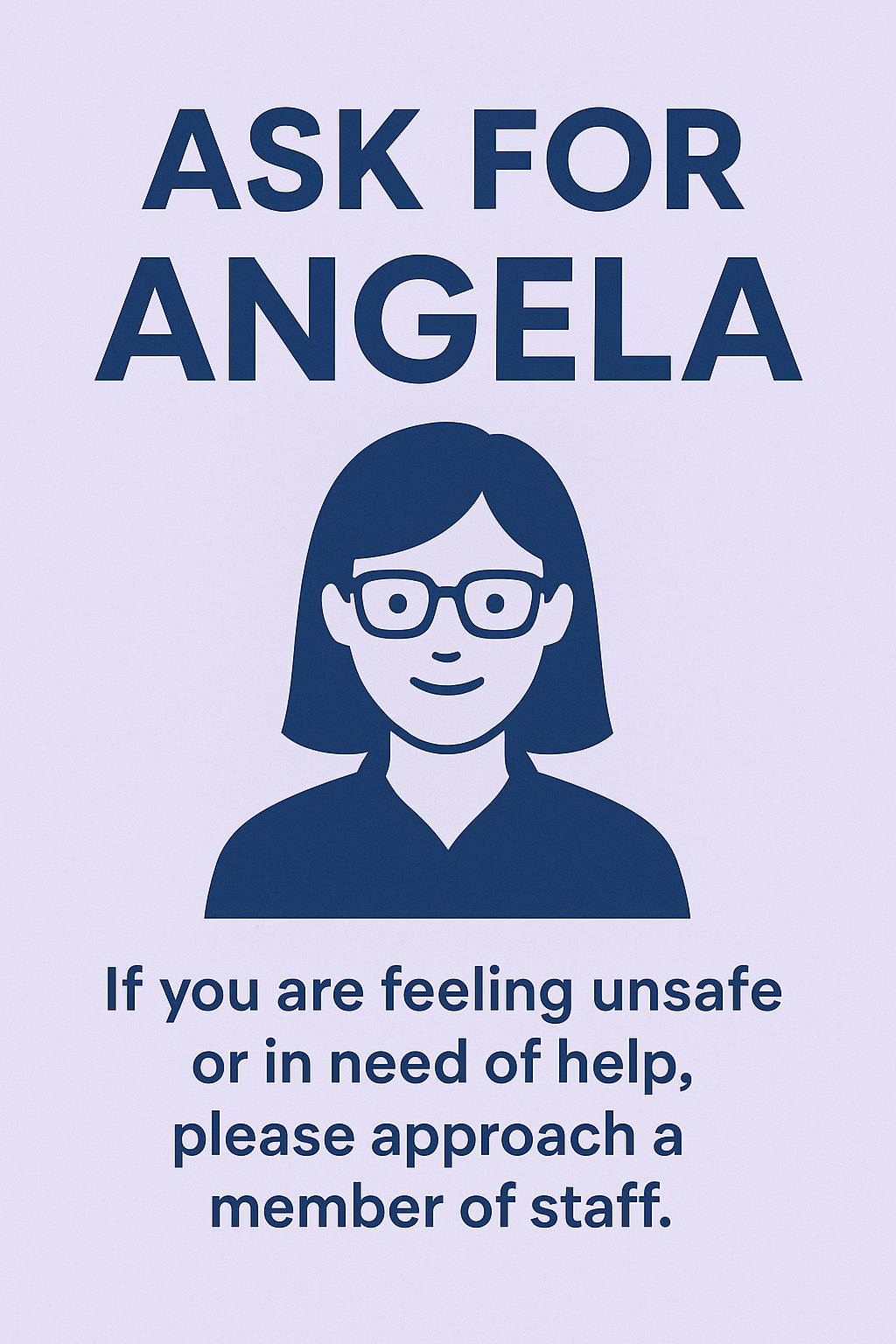 guests to signal that they feel unsafe and need help. For door supervisors, understanding this scheme is not just a part of the job—it’s a critical tool for protecting vulnerable people and maintaining a safe environment for everyone.
This guide will explain how to recognise the different ways someone might “Ask for Angela,” discuss the recent findings from a BBC investigation, and provide practical strategies for door staff to effectively support the initiative. By understanding the nuances of this code, you can ensure your venue is a true safe space for all patrons.
Recognizing the “Ask for Angela” Code
A person in distress may not always be direct. While some might clearly ask, “Is Angela working?” others may use more subtle cues out of fear or uncertainty. Door supervisors must be alert to various ways someone might signal for help.
Direct and Indirect Verbal Cues
The most straightforward use of the code is asking for “Angela” directly. However, staff should also be trained to listen for variations that might signal distress.
- Direct: “Can I speak to Angela?” or “Is Angela in?”
- Indirect: “I have a friend called Angela, I was supposed to meet her here.”
- Vague: “I’m looking for someone… I can’t remember her name, maybe Angela?”
In these situations, the key is to recognise “Angela” as the trigger word, regardless of the context. Responding with a simple, “Yes, come with me,” can be the first step in de-escalating a dangerous situation.
Non-Verbal and Behavioural Signals
Often, a person may be too scared to speak. Their body language and behaviour can be a cry for help. Door staff should be vigilant for guests who appear:
- Visibly Distressed: Looking anxious, frightened, or tearful.
- Isolated: Being separated from their friends or cornered by someone.
- Uncomfortable: Trying to move away from another person, avoiding eye contact, or showing closed-off body language.
If you spot someone displaying these signs, especially near an “Ask for Angela” poster, it’s appropriate to discreetly check in. A quiet question like, “Is everything okay here?” can provide an opening for them to ask for help.
The BBC Investigation: A Wake-Up Call
A recent BBC undercover investigation revealed a troubling reality: in more than half of the London venues visited that advertised the scheme, staff failed to recognise or respond to the “Ask for Angela” code word. This failure is more than just a training gap; it breaks a promise of safety made to patrons.
The investigation found that even at major chains, employees were often unaware of the initiative. In one instance, a manager at The White Bear in Hounslow told an undercover researcher, “Nobody called Angela here… 100%, I’m the manager – I know my staff.”
These findings are a stark reminder that simply displaying a poster is not enough. Women’s safety campaigner Jamie Klingler warned, “To find out [the flaws in the Ask for Angela scheme], it’s more than disappointing – it’s putting women at risk.” When venues advertise a safety net they can’t deliver, they create a false sense of security that can have dangerous consequences.

Best Practices for Door Supervisors and Venues
The BBC’s investigation also highlighted venues that got it right. At Hootananny in Brixton, staff responded immediately when a researcher asked for Angela, leading her to a safe space within seconds. This is the standard all venues should aim for.
Based on these successful examples, here are some best practices for door supervisors and venues:
1. Consistent and Ongoing Training
High staff turnover in hospitality means training can’t be a one-time event.
- Induction: Make “Ask for Angela” training a mandatory part of onboarding for all staff, including bar staff, floor staff, and security.
- Refresher Courses: Hold regular refresher sessions to ensure the procedure stays top-of-mind.
- Scenario Drills: Practice different scenarios to build staff confidence in responding to the code word, whether it’s direct, subtle, or non-verbal.
2. Establish a Clear Protocol
Every team member should know the exact steps to follow when someone asks for Angela.
- Acknowledge and Isolate: Immediately acknowledge the request and lead the person to a safe, private area away from the person causing them distress (e.g., a staff room, office, or back-of-house area).
- Listen and Offer Options: Ask open-ended questions like, “How can we help?” Offer concrete solutions, such as calling a taxi, contacting a trusted friend or family member, or calling the police. Let the individual decide what they want to do.
- Manage the Other Party: If necessary, ensure the person causing the distress is managed appropriately. This could involve asking them to leave or monitoring them until the vulnerable person is safely away. The manager at the White Hart in Drury Lane even arranged for the person to wait safely at a nearby pub while they ensured the other individual had left.
3. Promote Visibility and Trust
Make your venue’s commitment to the scheme visible.
- Display Materials: Place “Ask for Angela” posters, stickers, and other materials in prominent locations, particularly in toilets.
- Wear Branded Items: Pin badges or lanyards worn by staff can signal to guests that they are trained and ready to help.
- Train for Subtlety: Emphasise in training that the code can be used in many ways. Staff should understand that their role is to recognise the signal, not to judge the situation.
Strengthen Your Venue’s Safety Net
The “Ask for Angela” scheme is a powerful tool, but its effectiveness depends entirely on the people who implement it. As a door supervisor, you are on the front line of guest safety. By staying vigilant, recognising both direct and subtle cues, and following a clear protocol, you can make a profound difference in someone’s life.
Venues have a responsibility to ensure every team member is prepared to act. Ask for Angela CIC offers accredited vulnerability training, resources, and support to help your team implement the scheme correctly and confidently. Taking this training seriously is an investment in your staff, your patrons, and your venue’s reputation as a safe place to be.